Community Bus Services Connecting Villages and Hamlets
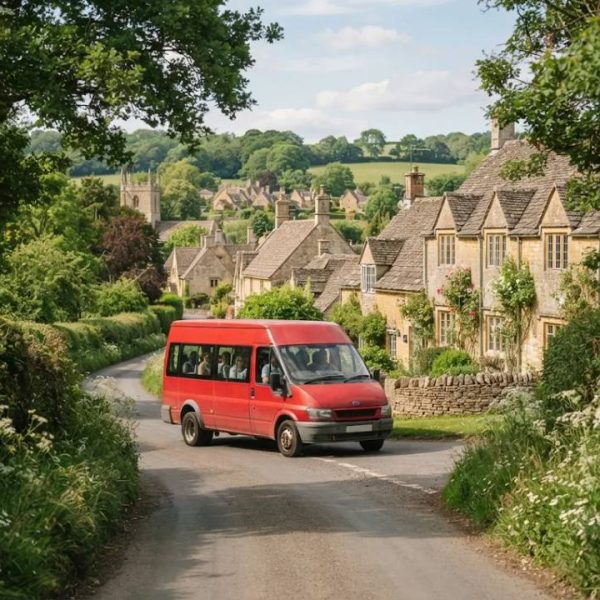
In many parts of the countryside, the nearest shop, doctor or friend can be several miles away, and the regular bus has long since stopped running. Community bus services fill that gap. Run by local groups, charities and volunteers, they connect villages, hamlets and small communities with the places and people that matter, and they do it for all ages and needs.
What a Community Bus Service Is
A community bus is a locally organized transport service that operates where commercial routes are limited or missing. It may run fixed routes on certain days, offer a booked door-to-door service or provide shopping and social outings. Fares are usually low, and any surplus is reinvested in the service.
Most use small minibuses with ramps or lifts, and drivers are trained to help passengers who need assistance.
Who Uses the Service
Older residents, people without a car, young people going to college or work, parents with children, people with disabilities and visitors without transport all rely on community buses. For many passengers, the bus is a lifeline that prevents isolation.
A reliable local bus is not just transport, it is a social service that keeps people connected, and studies show that regular outings improve wellbeing and independence.
How These Services Are Organized
Many run as charities or community interest companies with volunteer drivers, a small paid team and a local board. Funding comes from fares, grants, local authority support and donations. The Community Transport Association supports operators with advice, training and advocacy across the country.
Local knowledge helps planners match timetables to the needs of residents, for example doctor appointments, market days and school hours.
Booking and Using the Bus
Check the timetable and booking arrangements before you travel. Some routes are fixed and need no booking, while others work on demand and must be reserved a day ahead by phone or online. Ask about pickup points, luggage rules and assistance.
Arrive a few minutes early and keep contact details in case plans change.
Fares, Concessions and Passes
Fares are often lower than standard bus tickets, and many services accept concessionary passes for older people and disabled passengers. Some offer day tickets, group rates and membership schemes.
Ask the operator about discounts and about any support for people on low incomes.
Accessibility and Passenger Care
Vehicles typically have low floors, ramps or lifts, and seating areas for wheelchairs. Drivers and escorts help passengers who need support with boarding or carrying shopping. Clear communication helps people with hearing or sight loss.
Tell the operator about your needs when booking so that the right vehicle and help are ready.
Benefits for Rural Communities
Community buses support local shops, pubs, clinics and events by bringing customers and visitors. They also reduce car use, lower emissions and make it possible for people to stay in their homes longer.
Some services connect with trains and larger bus routes, creating a network that serves the wider region.
Visitors, Walkers and Tourists
Travelers who want to explore villages and trails without a car can use community buses to reach starting points and return. Combine a ride with a walk, a pub lunch or a visit to a local attraction.
International visitors may need help with timetables and booking. Travelers from Korea sometimes use english to korean translation services to prepare itineraries, and those planning longer stays can read our guide to translation for UK visa applications for document requirements.
Volunteering as a Driver or Helper
Volunteers are the backbone of community transport. Drivers need a suitable license and training, and many roles do not require driving, such as booking, escort duties and fundraising. Volunteering is a good way to meet neighbors and give back.
Contact your local operator to learn about requirements and training.
Starting or Supporting a Local Service
If your area lacks transport, begin by talking to neighbors, parish councils and existing operators. Survey needs, explore funding and find partners. Start small with a pilot route and build from there.
Experienced groups often share advice and examples.
Challenges and Solutions
Rising costs, driver shortages and funding changes are common concerns. Communities respond with fundraising, partnerships, electric vehicles and shared booking systems.
Public support, including letters to councillors and donations, helps keep services running.
Tips for First-Time Passengers
Check the route and times, carry exact fare if possible, keep your pass handy and be patient. Chat with the driver and other passengers. Share positive feedback with the organizers.
Small acts of kindness make journeys pleasant for everyone.
Final Thoughts
A community bus service keeps villages and hamlets connected, helps people stay independent and strengthens rural life. Use it, support it and share its story.
Local transport is local life.
Environmental and Economic Benefits
Shared transport reduces the number of private car trips, which lowers congestion, emissions and parking pressure in village centers. Each full minibus can replace many individual journeys. Operators are also testing electric and hybrid vehicles to cut fuel costs and pollution.
Services support the local economy by helping residents reach work and training and by bringing customers to small businesses.
Stories From Passengers and Drivers
Passengers often describe how the bus gave them freedom after losing a driving license or moving to a quiet area. Drivers talk about friendships and the pride of helping neighbors.
These stories show why communities fight to protect their local service.
Planning a Day Out by Community Bus
Pick a route that connects a village, a market town and a scenic stop. Check opening hours of cafes and shops, bring a light jacket and plan your return time with care. Ask the driver for tips about the best places to visit.
A relaxed day on a community bus is a pleasant way to see the countryside.
Community Transport and Healthcare Access
Many passengers use the bus to reach doctor appointments, pharmacies and hospitals, often at times when other options are not available. Some services coordinate with health centers to match timetables and offer assistance at the door.
Reliable transport helps people attend screenings and follow-up visits, which supports health and prevents emergencies.
Funding, Grants and Local Authority Support
Operators combine fares, grants, local council contracts and donations. Applications need clear data about passenger numbers and benefits. Building relationships with councillors, businesses and charities helps secure stable support.
Annual reports and passenger stories make the case for continued funding.
Heritage, Local Events and Seasonal Routes
Some community buses run special trips to markets, festivals, gardens and heritage sites, especially in spring and summer. These outings help rural economies and give residents a social treat.
Check seasonal timetables and book early for popular events.